
Post-Weight Loss Skin Tightening: Non-Surgical Tips
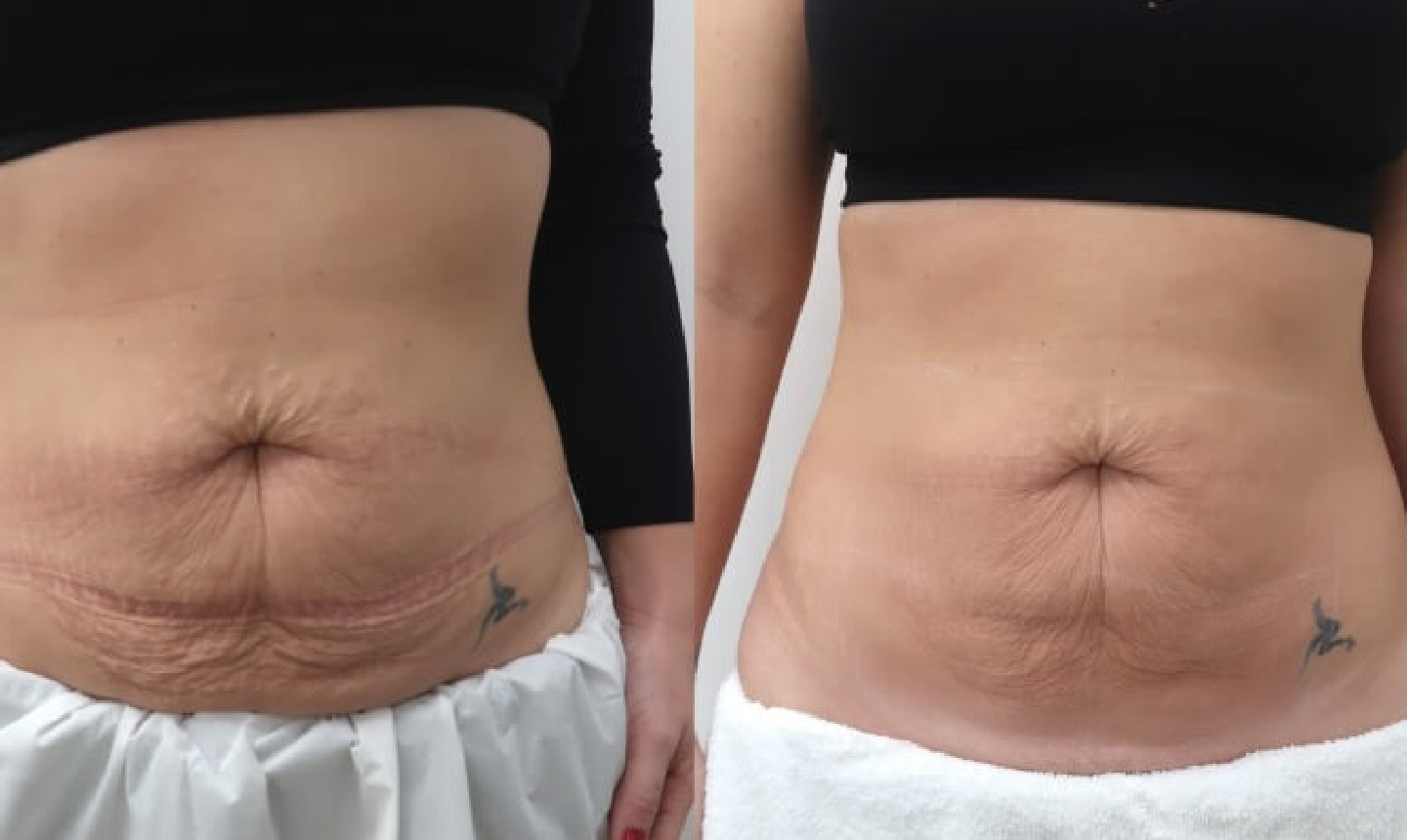
Post-Weight Loss Skin Tightening: Non-Surgical Tips
Losing weight can be a powerful milestone. It can improve energy, confidence, mobility, metabolic health, and overall wellbeing. But for many people, the journey does not end when the weight comes off. One of the most common concerns after significant weight loss is loose or sagging skin, especially around the face, neck, arms, abdomen, thighs, and jawline.
This can feel frustrating because the effort has already been made. You may feel lighter, healthier, and more in control, but the skin may not have tightened at the same pace as the body changed. The good news is that not every case requires surgery. With the right medical guidance, technology, and consistency, non-surgical skin tightening can help improve firmness, tone, and skin quality over time.
If you are exploring skin tightening in Mumbai, especially after weight loss, it helps to understand why sagging happens and which treatments can support better results.
Why Does Skin Sag After Weight Loss?
Skin is not just a covering. It is a living, responsive organ supported by collagen and elastin. Collagen gives skin structure and firmness, while elastin allows it to stretch and return to shape.
When weight gain stretches the skin over a long period, the skin’s support fibres can weaken. After weight loss, especially if it is rapid or significant, the fat volume reduces, but the skin may not retract fully. This leads to loose folds, creasing, or a softer, less defined appearance.
Several factors influence how much the skin tightens naturally, including age, genetics, amount of weight lost, speed of weight loss, sun exposure, smoking, nutrition, hydration, and baseline skin quality. Someone who loses a small amount of weight gradually may notice mild looseness. Someone who loses a larger amount of weight quickly may experience more visible sagging.
Can Loose Skin Tighten Naturally?
In some cases, yes. Mild skin laxity can improve over time, particularly if the person is younger, has good skin elasticity, and maintains a stable weight. Strength training can also help by building muscle beneath the skin, which may improve the appearance of firmness.
However, skin tightening is not just about exercise. Once collagen and elastin have been significantly stretched or weakened, the skin may need additional support. This is where doctor-led, non-surgical treatments can be useful.
The goal is not to create an overnight transformation. It is to improve collagen support, skin density, and firmness in a gradual, natural-looking way.
What is Radiofrequency Skin Tightening?
Radiofrequency skin tightening is one of the most commonly used non-surgical options for improving mild to moderate skin laxity. It uses controlled heat energy to warm the deeper layers of the skin. This heat helps stimulate collagen remodelling, which means the skin gradually becomes firmer and better supported.
In simple terms, radiofrequency encourages the skin to repair and tighten from within.
It can be used on areas such as the face, jawline, neck, arms, abdomen, thighs, and other areas where skin has started to feel loose. Depending on the device and the treatment plan, sessions may be spaced over a few weeks, with results developing progressively as collagen production improves. Radiofrequency is often preferred by people who want subtle, natural improvement without surgical downtime.
How Does It Help Sagging Skin After Weight Loss?
Sagging skin after weight loss often needs a treatment that works on firmness rather than fat reduction. Radiofrequency targets the skin’s support system by encouraging collagen formation and tissue tightening. This can help improve the appearance of mild looseness, soft folds, and reduced definition.
For example, after weight loss, some people notice that the jawline looks less sharp, the neck looks softer, or the abdomen feels loose despite regular workouts. In such cases, radiofrequency may help improve skin quality and firmness.
However, it is important to be realistic. Non-surgical treatments work best for mild to moderate laxity. If there is a large amount of excess skin, surgery may still be the most effective option. A consultation helps determine what is possible and what approach is most suitable.
Other Non-Surgical Tips to Support Skin Tightening
While treatments can help, daily habits also play an important role in skin recovery and long-term maintenance.
- Focus on strength training: After weight loss, building lean muscle can improve the way the skin sits on the body. Muscle provides better underlying support, which can make the body look more toned and defined.
- Prioritise protein: Collagen production depends on adequate nutrition. Protein provides amino acids, which are the building blocks needed for tissue repair. A diet that supports skin health should include enough high-quality protein, along with vitamins, minerals, and healthy fats.
- Maintain a stable weight: Repeated cycles of weight gain and loss can stretch the skin further. Once you have achieved your weight goal, maintaining stability gives the skin the best chance to adapt and recover.
- Protect your skin from the sun: Sun exposure breaks down collagen and elastin. This can make loose skin appear thinner, more crepey, and less resilient. Daily sunscreen is important not only for the face, but also for exposed areas such as the neck, chest, arms, and hands.
- Improve skin hydration and barrier health: Well-hydrated skin looks smoother and more resilient. Medical-grade moisturisers, barrier-repair products, and ingredient-led skincare can help support texture and elasticity.
- Consider collagen-stimulating treatments: Depending on the area and concern, your doctor may recommend treatments that stimulate collagen beyond radiofrequency. These may include biostimulators, microneedling-based treatments, or energy-based devices.
Why a Personalised Plan Matters
Post-weight loss skin is not the same for everyone. One person may need facial tightening after GLP-1 or medical weight loss. Another may need abdomen or arm tightening after lifestyle-led fat loss. Someone else may have a combination of loose skin, stretch marks, poor texture, and volume loss.
This is why a standard treatment menu is not enough. A doctor-led assessment helps understand your skin quality, degree of laxity, body composition, age, health history, and goals. From there, a phased plan can be created.
At Angel Health Centre, the focus is on building a plan that supports the full transformation, not just the weight loss number. This may include skin tightening, collagen support, nutrition guidance, body contouring, skin quality improvement, and long-term maintenance.
When Should You Start Skin Tightening After Weight Loss?
Ideally, skin tightening should be considered once your weight is relatively stable. If you are still actively losing weight, your doctor may recommend waiting or beginning with supportive treatments that improve skin quality without overcorrecting.
For many patients, the best approach is phased. First, stabilise weight and nutrition. Then assess skin laxity. Then begin targeted treatments such as radiofrequency skin tightening, followed by maintenance sessions if needed. This approach helps results look more natural and sustainable.
The Angel Approach to Post-Weight Loss Skin
At Angel Health Centre, we see post-weight loss care as part of a larger longevity and confidence journey. Losing weight is one part of transformation. Helping the skin, face, and body adjust to that transformation is the next step.
For those searching for skin tightening in Mumbai, our doctor-led approach combines assessment, technology, and personalised care. Whether your concern is sagging skin after weight loss, loss of facial definition, loose abdominal skin, or reduced firmness, the right plan begins with understanding what your skin truly needs.
Book a consultation at Angel Health Centre, Nariman Point, to explore non-surgical skin tightening options and build a plan that supports your results beyond weight loss.