
Biostimulators vs. Fillers: Which Is Better for Aging?
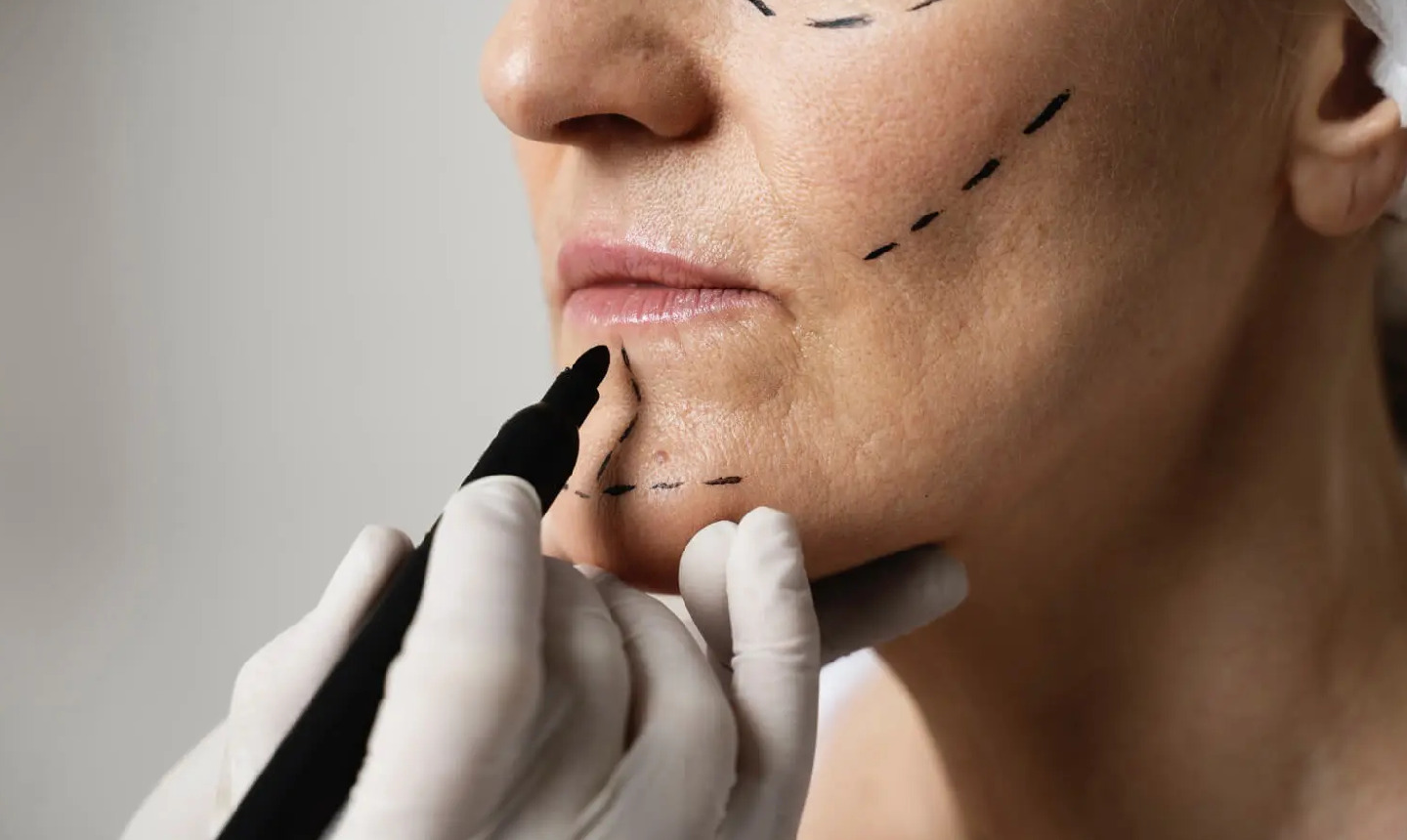
Biostimulators vs. Fillers: Which Is Better for Aging?
Aging does not happen in one straight line. For some people, it shows up as volume loss around the cheeks or under-eyes. For others, it appears as skin laxity, fine lines, dullness, or a general change in facial firmness. This is why modern aesthetic medicine has moved beyond simply “filling” the face. Today, treatments are becoming more strategic, more subtle, and more focused on long-term skin quality.
Two of the most talked-about options are dermal fillers and biostimulators. Both can play a role in facial rejuvenation, but they work very differently. If you are considering Biostimulators in Mumbai, or wondering whether fillers are still the right choice, understanding the difference can help you make a more informed decision.
What are fillers?
Dermal fillers are injectable treatments that are used to restore volume, soften lines, and enhance facial contours. They are commonly used in areas such as the cheeks, lips, jawline, temples, nasolabial folds, and under-eye region. Many fillers are made with hyaluronic acid, a substance naturally found in the body that helps retain moisture and support skin structure. The American Academy of Dermatology notes that fillers help restore lost fullness in the face, lips, and hands as the skin ages. (American Academy of Dermatology)
The main advantage of fillers is that the result is usually visible quite quickly. If someone has a hollow area, a weak contour, or a specific volume deficit, fillers can offer immediate correction when done well. They are especially useful when the goal is shape, structure, or targeted enhancement.
However, fillers are not designed to improve the skin’s biological ageing process. They replace or add volume, but they do not necessarily rebuild the skin’s natural support system in a deeper way.
What are Biostimulators?
Biostimulators are injectables that encourage the body to produce more collagen over time. Collagen is the protein that gives skin its firmness, elasticity, and structure. As we age, collagen levels naturally decline, which contributes to sagging, thinning, fine lines, and loss of firmness.
Unlike traditional fillers, biostimulators do not simply “fill” an area. They work gradually by stimulating collagen production, helping the skin become firmer and better supported from within. Poly-L-lactic acid, often known as PLLA, is one such collagen stimulator. Cleveland Clinic explains that PLLA encourages the body to produce more collagen, with results developing over several weeks. (Cleveland Clinic)
This is why Collagen stimulators are often preferred by people who want subtle, progressive, and natural anti-aging results, rather than a sudden change in facial volume.
Fillers vs. Biostimulators: the Key Difference
The simplest way to understand the difference is this:
Fillers are best for replacing lost volume or enhancing a specific feature.
Biostimulators are best for improving skin firmness, collagen support, and long-term facial quality.
Fillers work like a structural correction. Biostimulators work more like a regenerative treatment plan. One gives visible volume. The other encourages the skin to rebuild some of what ageing has taken away. This does not mean one is always better than the other. It means they answer different concerns.
When are Fillers better?
Fillers may be more suitable when there is a clear need for volume correction or contour enhancement. For example, if the cheeks have flattened, the lips have lost definition, or the jawline needs more structure, fillers can help create a more immediate and visible result.
They can also be useful for softening deeper lines or folds where volume loss is a major contributing factor. The American Society of Plastic Surgeons describes dermal fillers as useful for plumping, enhancing shallow contours, softening creases, and improving the appearance of scars. (American Society of Plastic Surgeons)
For someone preparing for an event or looking for a defined correction, fillers may be the preferred option. The key is restraint. The best filler work should not make the face look “done.” It should restore balance.
When are Biostimulators better?
Biostimulators may be a better choice when the concern is not just volume loss, but overall ageing quality. This includes mild skin laxity, early sagging, loss of firmness, crepey texture, and a tired appearance that cannot be corrected by simply adding volume.
They are also ideal for people who want a treatment that develops gradually. Because collagen takes time to rebuild, the results appear progressively. This often makes the outcome look more natural, because the face improves slowly rather than changing overnight.
For a sophisticated audience seeking longevity-led aesthetics, biostimulators are especially relevant. They support the idea that anti-aging should not just be corrective. It should be preventive, biological, and personalised.
Which gives more natural anti-aging results?
Both treatments can look natural when performed by an experienced doctor. However, biostimulators are often associated with more natural anti-aging results because they work with the body’s own collagen response. Instead of adding visible volume in one session, they help improve the skin’s underlying support over time.
That said, “natural” does not depend only on the product. It depends on the doctor’s understanding of facial anatomy, ageing patterns, dosage, placement, and restraint. Even the most advanced injectable can look unnatural if used without a clear aesthetic plan.
Can Fillers and Biostimulators be combined?
Yes. In many cases, the most refined results come from combining both approaches. A doctor may use fillers for specific structural support and biostimulators for long-term collagen improvement. This creates a more complete result: immediate correction where needed, and gradual improvement in skin quality over time.
This is why consultation and facial assessment are so important. The question should not be, “Which treatment is trending?” It should be, “What does my face actually need?”
So, which is better for aging?
For ageing, biostimulators may be the better long-term choice when the goal is collagen support, firmness, and natural progression. Fillers may be better when the concern is specific volume loss or contour correction. The most effective approach often lies in using the right treatment, in the right area, at the right time.
At Angel Health Centre, our approach is doctor-led, personalised, and focused on results that look refined rather than obvious. Whether you are considering Biostimulators in Mumbai, exploring Collagen stimulators, or looking for natural anti-aging results, the journey begins with understanding your skin, your facial structure, and your long-term goals.
Book a personalised consultation at Angel Health Centre to discover the right anti-aging plan for your skin, your features, and your future self.